Introduction
In our hectic world, emergency situations can strike without warning. Whether it's a minor injury, a clinical emergency situation, or a dangerous situation, recognizing just how to provide first aid can make all the distinction. This is where a First Aid course enters play. Many people may wonder what they can acquire from such training, and this post aims to clarify that.
By enrolling in a First Aid and CPR course, you don't simply learn more about bandaging wounds or carrying out CPR; you outfit yourself with invaluable abilities that can save lives. So, what exactly will you learn in a comprehensive program? Let's study the details.
First Aid Fundamentals: What You'll Discover in a Detailed Course
Understanding First Aid
What is Initial Aid?
First help describes the first assistance provided to somebody suffering from an injury or disease until expert medical assistance gets here. It encompasses different strategies and skills varying from simple injury like lifesaving methods like mouth-to-mouth resuscitation (Cardiopulmonary Resuscitation).
Importance of First Aid Training
Why Should You Take a First Aid Course?

Taking a First Help course is important for several factors:
- Confidence: Understanding just how to respond in emergency situations can instill confidence. Life-Saving Abilities: The capacity to carry out CPR or help with choking can save lives. Career Advancement: Numerous professions require accreditation in first aid. Community Obligation: Being trained ways you can help others effectively.
Overview of CPR
What is CPR?
CPR, or Cardiopulmonary Resuscitation, is an emergency situation procedure done when someone's heart beat or breathing has actually stopped. It combines upper body compressions with rescue breaths to maintain blood flow and oxygenation till specialist aid arrives.
The Framework of a Comprehensive Emergency Treatment Course
What Does an Emergency treatment Course Include?
An all-around First Aid and CPR course generally covers the adhering to topics:
Introduction to First Aid Legal and Ethical Considerations Scene Safety Basic Life Assistance (BLS) CPR Techniques Choking Relief Wound Treatment Management Burn Treatment Managing Shock Recognizing Medical Emergencies Using an Automated External Defibrillator (AED)Legal Aspects of First Aid
Are There Legal Ramifications Associated With Giving First Aid?
Yes, giving emergency treatment does lug lawful duties referred to as "Good Samaritan legislations." These laws protect people that help others in emergencies, gave their actions are affordable and not reckless.
Scene Security: The First Step
How Do You Ensure Scene Safety?
Ensuring scene safety involves examining the environment prior to approaching the target:
- Look for prospective dangers (website traffic, fire). Make sure it's safe for both you and the victim.
Basic Life Assistance (BLS)
What Role Does BLS Play in Emergency Situations?
Basic Life Support includes the principles of keeping life functions till further clinical aid arrives. This area covers important skills such as:
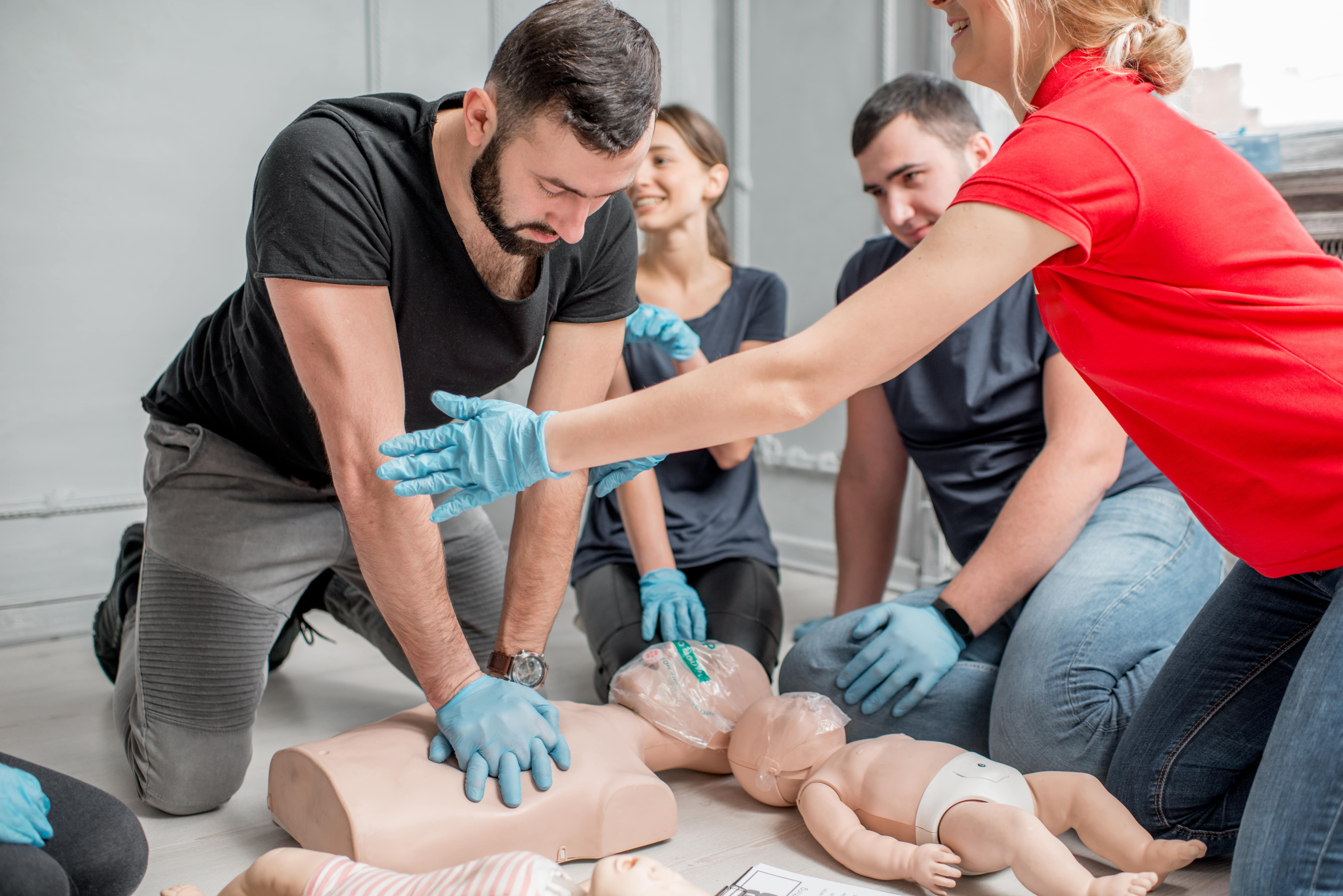
- Checking responsiveness Activating emergency situation services Performing top quality upper body compressions
Advanced CPR Techniques
What Are Advanced Techniques Covered in Mouth-to-mouth Resuscitation Courses?
Advanced strategies might consist of:

- Two-rescuer CPR Use of barrier tools for rescue breaths Special factors to consider for babies and youngsters
Choking Relief Techniques
How Do You Aid Somebody Who is Choking?
Choking relief entails 2 vital strategies:
The Heimlich maneuver for adults. Back blows and upper body thrusts for infants.Wound Care Management
How Do You Properly Manage Wounds?
Effective wound management entails:
- Cleaning the wound with saline or tidy water. Applying antibiotic ointment. Covering it with sterilized dressings.
Burn Treatment
What Are Effective Methods for Treating Burns?
Burn treatment differs by degree:
Cool the burn under running water. Cover it with non-stick dressings. Seek clinical interest for severe cases.Managing Shock
How Is Shock Acknowledged and Treated?
Recognizing shock includes looking for signs like pale skin, rapid pulse, or complication:
Lay the person down. Elevate their legs unless there are injuries stopping this. Keep them soothe until help arrives.Recognizing Clinical Emergencies
What Types of Medical Emergencies Should You Know Of?
Common clinical emergency situations include: CPR certification in Adelaide
- Heart assaults Stroke Severe allergic reactions Understanding these conditions helps you act quickly.
Using an Automated External Defibrillator (AED)
How Do You Utilize an AED Correctly?
Using an AED involves transforming it on, affixing pads according to images on the gadget, and following voice motivates carefully.
Importance of Continual Learning
Why Is Continual Knowing Important in Emergency Treatment Training?
Continuous learning ensures you stay upgraded on best practices and brand-new methods in first aid care.
FAQs About Emergency treatment Courses
What Is Consisted of in a Standard Emergency Treatment Course?- A common program normally covers standard life assistance, wound administration, choking relief strategies, and lawful considerations.
- Most programs range from 6 hours to 16 hours depending on the depth of web content covered.
- Yes, upon successful completion of many training courses, individuals obtain a first help certificate, which is usually valid for 2 years.
- Yes! Numerous companies provide online courses that give adaptable discovering atmospheres while still being effective.
- Absolutely! Hands-on technique is critical for grasping skills like breast compressions and utilizing AEDs effectively.
- Generally, there are no age limitations; nonetheless, individuals should be mentally competent to find out these life-saving abilities effectively.
Conclusion
Enrolling in a thorough emergency treatment course gears up individuals with important understanding that can save lives during emergency situations-- whether in the house, work, or out in public areas! From recognizing basic life support treatments such as mouth-to-mouth resuscitation to finding out exactly how to take care of injuries effectively or recognize indications of shock-- these courses give very useful training that anybody can profit from!
As we navigate through our day-to-days live full of changability-- what better method than preparing ourselves through knowledge acquired from organized training sessions focused on conserving lives?
In final thought-- if you're pondering occupying any type of form of first-aid training-- never wait! Outfit yourself today with these powerful devices due to the fact that preparedness genuinely makes all the difference when every 2nd counts!